Online Polish course: learn polish from anywhere
24 September 2026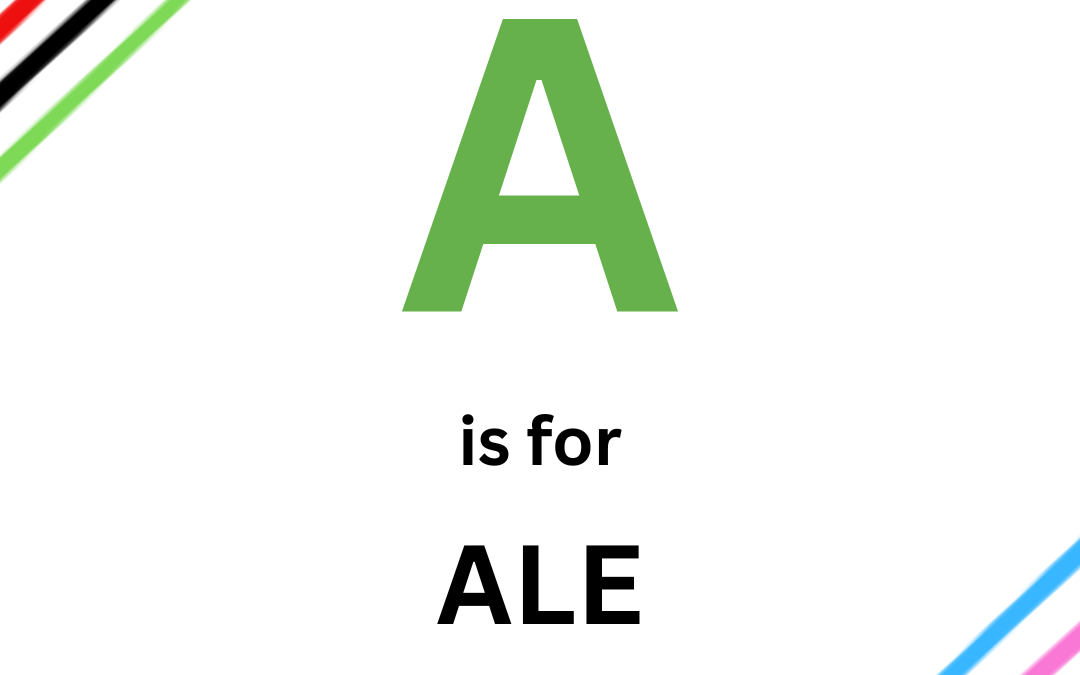
but, however, what a…!
Ale is one of those little words that are very frequently used in Polish and are surprisingly versatile.
It is traditionally linked to the Proto-Slavic conjunction ale. You can also find it in other Slavic languages, such as Czech and Slovak, where it is used to express contrast or opposition. So the basic meaning is simple:
Chcę iść do kina, ALE nie mam czasu (“I want to go to the cinema, BUT I don’t have time”).
Lubię moją pracę, ALE jest męcząca. (“I like my job, BUT it’s tiring.)
Słucham dużo muzyki, ALE mało radia. (I listen to a lot of music, BUT not much radio.)
Ale… Poles also love to use ale to intensify what they want to say.
Rather than just connecting two ideas, ale can add emphasis. Just put it in front of an adjective:
Ale super! (“So cool!”)
Ale zimno! (“It’s so cold!”)
Ale zabawne! (“So funny!”)
You can also use it to express amazement or admiration:
Ale miasto! (What a city!)
Ale historia! (What a story!)
Ale jaja! (What a joke! / That’s hilarious!)
Ale! Ale! You can also use it to express disbelief:
Ale dlaczego?! (“But why?!”)
Ale co to znaczy? (But what does that mean?!)
Ale gdzie to jest? (But where is it?!)
Depending on the tone, it can express surprise, admiration or frustration. Pretty versatile, right?
Using ale in everyday conversations can help you sound more natural in Polish. Remember that ale doesn’t just mean “but”. Once you learn to recognize and use it in different contexts, you’ll be able to add emphasis to your sentences naturally.
Before long, you will hear people saying:
Ale dobrze mówisz po polsku! (You speak Polish so well!)
Ale masz fajny akcent! (Your accent is so cool!)
Ale wszystko rozumiesz! (Wow, you understand everything!)
Ale masz talent! (You’re so talented!)